Beijing is not just the political heart of China — it is a living museum of imperial grandade, a showcase of ultra-modern architecture, and a food lover's paradise rolled into one. With 240-hour visa-free transit now expanded and the 2022 Winter Olympics infrastructure still gleaming, Beijing in 2026 is more accessible and exciting than ever for foreign travelers.
In this guide, you will learn the top attractions, discover hidden local favorites, master the subway system, and pick up practical tips that most tourist guides miss.
1. The Great Wall: Which Section Should You Visit?
No trip to Beijing is complete without walking the Great Wall. But not all sections are created equal:
- Badaling — The most famous and most crowded section. Well-restored, great for first-timers, but expect large tour groups especially on weekends. Cable car available.
- Mutianyu — The best balance of accessibility and atmosphere. Less crowded than Badaling, beautifully restored, with a toboggan ride down the wall. Highly recommended for families.
- Jinshanling — For adventurous hikers. Partially restored with wild sections, stunning photography opportunities, and far fewer tourists. About 2 hours from central Beijing.
- Jiankou — The wild, unrestored section loved by hikers and photographers. Dangerous in places — only for experienced hikers with proper gear.
Insider tip: Visit Mutianyu on a weekday morning. Take the first bus from Dongzhimen Bus Station (Bus 916 express + transfer, or direct tourist bus) to arrive before 9 AM. You will practically have the wall to yourself.
2. Forbidden City & Imperial Palace
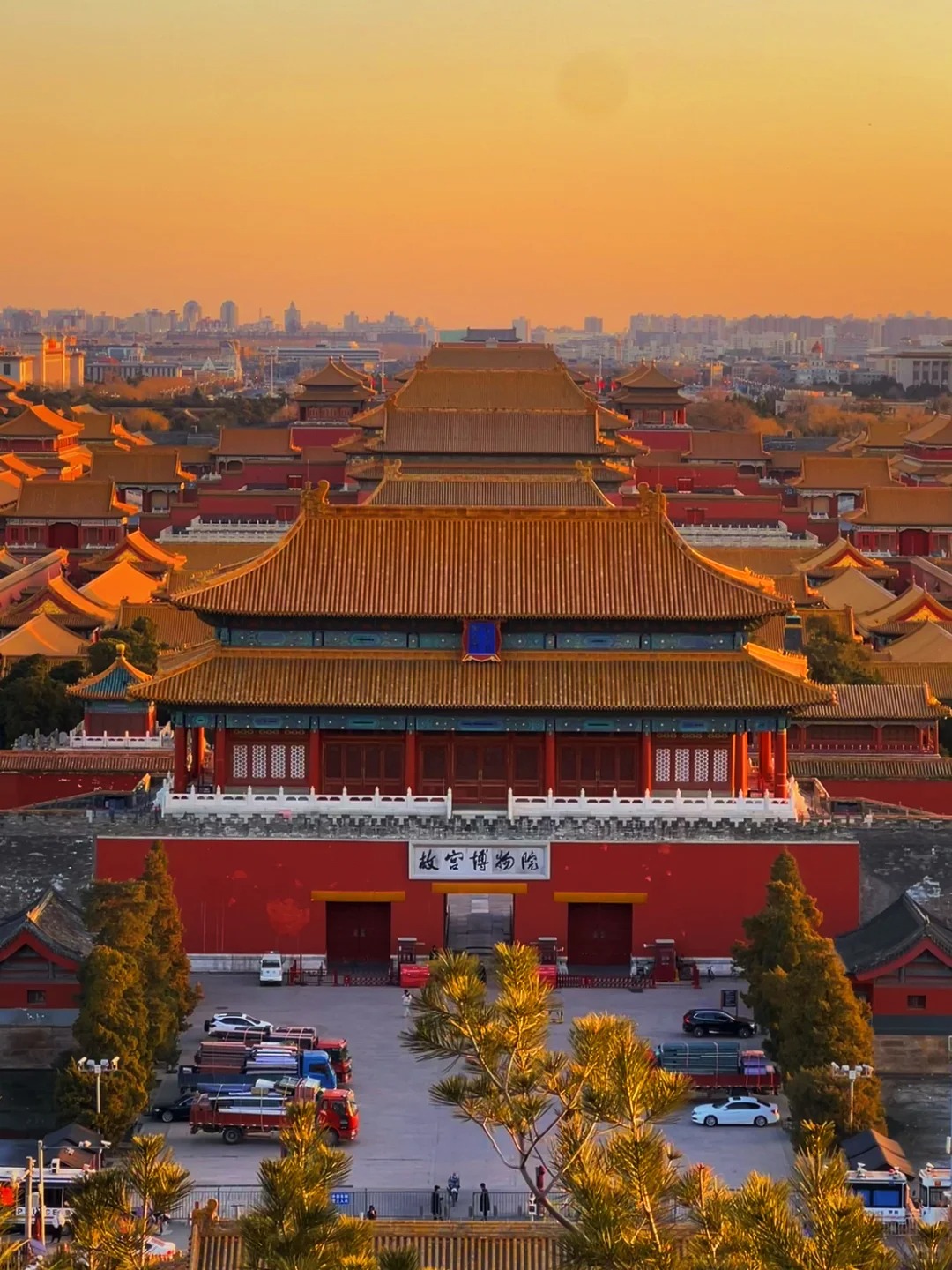
The Forbidden City is the largest ancient palatial complex in the world, with 9,999 rooms spread across 72 hectares. Here is how to do it right:
- Book tickets online via the official WeChat mini-program or website at least 3 days in advance. Walk-up tickets are rarely available now.
- Enter from the south gate (Meridian Gate) and exit from the north gate (Gate of Divine Prowess) to walk the full central axis.
- Allow 3-4 hours minimum. The complex is enormous — most visitors only see the main halls and miss the beautiful side palaces and gardens.
- Visit the Hall of Clocks and Jewels in the eastern wing — a small but stunning collection that most tourists skip.
After exiting the north gate, you can walk straight into Jingshan Park for a panoramic rooftop view of the entire Forbidden City — one of the best photo spots in Beijing.
3. Temple of Heaven: Beijing's Hidden Gem
While tourists rush through the Temple of Heaven, locals use this massive park as their daily playground. In the early morning, you can witness:
- Elderly couples ballroom dancing to 1980s Chinese pop music
- Groups practicing tai chi and sword forms
- Men playing Chinese chess on stone tables
- Singers performing traditional Peking opera arias under the trees
The Hall of Prayer for Good Harvests — the iconic triple-gabled circular building — is one of the most photographed structures in China. Arrive before 8 AM for the magical morning light and almost no crowds.
4. 798 Art District & Contemporary Beijing
Beijing is not all ancient history. The 798 Art District, a converted factory zone in the Chaoyang district, is the epicenter of China's contemporary art scene. Galleries, sculpture installations, independent bookshops, and specialty coffee shops line the graffiti-covered alleys.
For a more local art experience, check out the Muxiyuan area near the China Sculpture Museum, or the Liangmaqiao diplomatic district which has exploded with international restaurants and bars since 2023.
5. Best Food Experiences in Beijing
Beijing food goes way beyond Peking duck:
- Peking Duck — Try Da Dong or Siji Minfu for the classic crispy-skin experience. Book ahead, especially on weekends.
- Beijing Zhajiang Noodles — Thick wheat noodles with fermented soybean paste. Find authentic versions at old neighborhood shops near the Drum Tower.
- Lamb Hot Pot (涮羊肉) — A winter essential. Cuimen area near the old city wall has dozens of family-run hot pot restaurants.
- Jianbing (煎饼) — The ultimate Beijing breakfast street food. A crispy crepe with egg, sauce, cilantro, and crispy wonton skin. Find a cart near any subway station before 9 AM.
- Ghost Street (簋街 Guijie) — A 1.5km stretch of late-night restaurants famous for spicy crayfish. The neon-lit street is an experience in itself.
Insider tip: Download the Dianping app (similar to Yelp) before you arrive. Search for 餐厅 (restaurants) and sort by rating. Locals rely on this more than Google Maps for food recommendations.
6. Getting Around Beijing in 2026
Beijing's subway system now has 27 lines covering over 800 km. Here is what you need to know:
- Buy a Yikatong card at any subway station entrance (¥20 deposit + top-up) or use Apple Pay / Huawei Pay on NFC-enabled phones.
- Foreign-visitor friendly: Since 2024, most subway stations accept Visa/Mastercard contactless payment at the gates. No need to queue for tickets.
- Taxis: Use Didi (the Chinese Uber) for convenience. You can set the app to English. Regular taxis are plentiful — make sure the driver uses the meter (打表).
- Bike sharing: Meituan and Hellobike are everywhere. Scan the QR code with Alipay or WeChat Pay to unlock. Perfect for hutong exploring.
7. Hutongs: Beijing's Living History
The hutongs — narrow alleyways lined with traditional courtyard homes — are Beijing's soul. While many have been demolished, several neighborhoods are beautifully preserved:
- Nanluoguxiang — The most famous hutong, now a trendy walking street with cafes and boutiques. Best visited on weekday mornings.
- Wudaoying Hutong — A quieter, more authentic alternative with independent shops and local teahouses.
- Yandaixiejie (Tobacco Pipe Lane) — A short, charming alley near the Drum Tower with traditional handicraft shops.
- Dashilar — The most local and least touristy. Real neighborhood life, old men playing chess, and some of the best street food in the city.
Consider booking a hutong walking tour or a traditional courtyard hotel (精品四合院) for a truly immersive experience.
8. Day Trips from Beijing
- Summer Palace (颐和园) — 30 minutes by subway. A vast imperial garden with a stunning lakeside palace. Allow half a day.
- Ming Tombs (明十三陵) — The burial site of 13 Ming Dynasty emperors. Combine with Badaling for a full-day Great Wall + history trip.
- Huanghua Great Wall — The most photogenic section with autumn foliage, only 2 hours from the city. Best in October.
Practical Tips for 2026
- Visa: Check if you qualify for 240-hour visa-free transit (stops in 54 cities including Beijing) or the newer bilateral visa-free agreements with your country.
- Payment: Set up Alipay or WeChat Pay before arrival. Foreign credit cards are accepted at major hotels but not at street vendors or small shops.
- VPN: Download a VPN before arriving in China if you need access to Google, Instagram, WhatsApp, or other blocked services.
- Best time to visit: Spring (April-May) and autumn (September-October) offer the best weather. Summer is hot and humid; winter is cold but magical with snow on the Great Wall.
- Language: English signage has improved dramatically, especially in subway stations and tourist areas. Download a translation app for menus and conversations.
Where to Stay
- Luxury: Aman at Summer Palace, The Peninsula Beijing, Waldorf Astoria
- Boutique: Hotel G Beijing (Sanlitun), The Orchid (hutong hotel), Blossom Hill
- Budget: Beijing Downtown Backpackers, Peking Station Hostel, and numerous hostels around Qianmen and Dashilar area
Beijing rewards the curious traveler. Beyond the must-see landmarks, the city reveals itself in quiet hutong alleys, steaming bowls of noodles at midnight, and the incredible contrast between thousand-year-old temples and futuristic skyscrapers. Plan ahead, stay curious, and let Beijing surprise you.