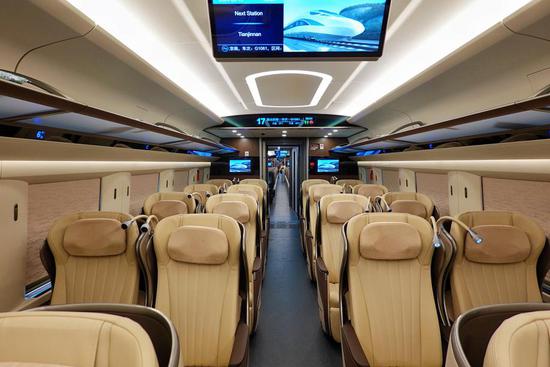
Why China's High-Speed Rail Is a Game-Changer for Travelers
China operates the world's largest high-speed rail network — over 45,000 kilometers of track connecting virtually every major city. For foreign travelers, the high-speed rail system offers a comfortable, affordable, and scenic alternative to flying. Trains reach speeds up to 350 km/h, and journey times between major cities are often comparable to or faster than flights when you factor in airport security and travel time.
In 2026, booking China's high-speed rail has become significantly easier for foreigners, with new payment options, English-language apps, and simplified booking platforms. This guide walks you through everything you need to know.
Understanding China's High-Speed Rail System
China's rail network uses a tiered naming system:
- G-trains (高铁): The fastest, reaching 350 km/h. These are premium trains with first-class, second-class, and business-class seats.
- D-trains (动车): Slightly slower at 250 km/h, offering similar comfort levels at lower prices.
- C-trains (城际): Intercity trains connecting nearby cities, usually under 2 hours of travel.
All high-speed trains feature spacious seating, power outlets, free Wi-Fi (with VPN needed for foreign websites), onboard dining, and clean restrooms. First-class seats offer significantly more legroom and quieter carriages.
Booking Platforms: What's Available in 2026
1. 12306 Official Website and App
The official China Railway 12306 platform remains the most reliable way to book tickets. In 2026, the English version of the website (www.12306.cn) and the Trip.com app (which integrates with 12306) have greatly improved the English interface.
Pros:
- Lowest prices (no service fees)
- Real-time seat availability
- Full integration with Chinese ID/passport booking
Cons:
- Requires Chinese phone number for verification
- Payment via Alipay/WeChat Pay recommended
- Interface can still be challenging for first-time users
2. Trip.com (Ctrip)
Trip.com is the most foreigner-friendly option. It provides a fully English interface, accepts international credit cards, and offers customer support in English.
Pros:
- Full English interface and customer support
- Accepts Visa, Mastercard, and PayPal
- Simple booking process with clear instructions
Cons:
- Small service fee per ticket (typically ¥15-30 / $2-4)
- Sometimes shows slightly higher prices than 12306
- Seat selection options may be limited during peak times
3. Other Third-Party Platforms
Platforms like TrainPal (owned by Trip.com), Didi, and Klook also offer ticket booking. These are reliable but may charge higher service fees.
Step-by-Step Booking Process
Step 1: Choose Your Route
Popular high-speed routes include:
- Beijing → Shanghai: 4h 30min (G-trains)
- Beijing → Xi'an: 4h 20min
- Shanghai → Hangzhou: 45 minutes
- Guangzhou → Shenzhen: 30 minutes
- Chengdu → Chongqing: 1h 15min
Step 2: Register Your Account
For 12306 or Trip.com, you'll need:
- Valid passport number
- Email address
- Phone number (Chinese or international)
- Payment method (Alipay, WeChat Pay, or credit card)
Step 3: Search and Select
Enter your departure city, destination, and travel date. The system will show available trains with:
- Departure and arrival times
- Duration
- Available seat classes and prices
- Remaining tickets
Step 4: Passenger Information
Enter your passport details exactly as they appear. You'll receive a QR code or booking confirmation that serves as your ticket.
Step 5: Payment
Complete payment within the time limit (usually 30 minutes). Once paid, your booking is confirmed.
Ticket Prices: What to Expect
China's high-speed rail is remarkably affordable compared to European and Japanese equivalents:
- Beijing → Shanghai (G-train): Second class ¥553 (~$76), First class ¥933 (~$129)
- Shanghai → Hangzhou: Second class ¥73 (~$10)
- Guangzhou → Shenzhen: Second class ¥75 (~$10)
Prices vary by date, time, and demand. Booking 1-2 weeks in advance is recommended for popular routes.
At the Station: What to Expect
Security and Check-in
Chinese train stations have airport-style security. Arrive at least 30-45 minutes before departure for high-speed trains. You'll need:
- Passport (required for ID verification)
- Booking confirmation (QR code or printed ticket)
Boarding
Electronic ticketing means you can board directly with your passport — no physical ticket needed at most stations. Simply scan your passport at the automated gates.
Onboard Experience
High-speed trains are clean, modern, and comfortable. Key features:
- Spacious seats with power outlets
- Free Wi-Fi (may require VPN for foreign sites)
- Hot water dispensers for instant noodles and tea
- Onboard food cart with snacks and meals
- Quiet carriages available on G-trains
Tips for Foreign Travelers
- Book early during holidays: Chinese New Year, Golden Week (October 1-7), and summer travel season sell out fast.
- Download the Trip.com app: It's the most user-friendly option for foreigners.
- Bring your passport everywhere: It's required at stations and for verification.
- Consider seat class: Second class is perfectly comfortable for most travelers. First class offers extra legroom and quieter carriages.
- Food options: Bring snacks or buy at the station — onboard food is limited but functional.
- Platform changes: Listen for announcements and check departure boards — platforms can change.
Connecting with Other Transport
Major train stations connect directly to metro systems, making it easy to reach your accommodation. Most cities have clear signage in English at stations. Didi (China's Uber) is also widely available for last-mile connections.
Common Mistakes to Avoid
- Arriving too late: Give yourself 30-45 minutes minimum at the station.
- Confusing G and D trains: G-trains are faster and slightly more expensive.
- Ignoring platform changes: Always check the departure board before heading to the platform.
- Forgetting passport: You cannot board without it.
- Not downloading offline maps: Download your destination city map before you lose internet.
Related Articles
For more China travel planning, check out our guides on setting up Alipay as a foreigner, China's 240-hour visa-free transit policy, and staying connected with eSIM in China.