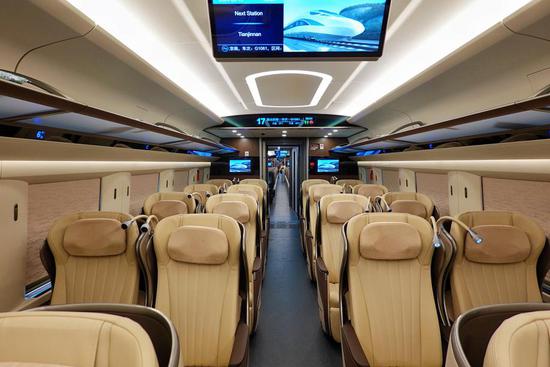
## Why China's Metro Systems Are a Foreigner's Best Friend
China operates the world's largest metro network, with over 50 cities boasting modern, air-conditioned subway systems. For foreign travelers, the metro is often the fastest, cheapest, and most reliable way to get around — no language skills required, no traffic jams, and fares starting at just ¥2 (about $0.30).
In 2026, riding China's metro has never been easier for foreigners. New payment options, English-language apps, and improved signage mean you can navigate Beijing's 27-line system or Shanghai's 20-line network with confidence.
## Payment Methods: How to Tap In
### Option 1: Alipay or WeChat Pay (Recommended)
The easiest way to ride is through your existing Alipay or WeChat Pay app:
1. Open Alipay → tap "Transport" (交通)
2. Select "Metro" (地铁)
3. Choose your city
4. A QR code will appear — scan it at the gate
**Pro tip:** Enable the "Transport Code" (乘车码) shortcut on your home screen for one-tap access.
### Option 2: Foreign Bank Card (New in 2025-2026)
Many metro systems now accept Visa, Mastercard, and UnionPay contactless cards:
- **Beijing:** Tap your contactless card directly at gates (look for the contactless symbol)
- **Shanghai:** Same system — just tap and go
- **Guangzhou/Shenzhen:** Supports foreign contactless cards since late 2025
**Note:** Not all stations accept foreign cards yet. If your card doesn't work, fall back to Alipay/WeChat.
### Option 3: Metro-Specific Apps
Some cities have their own apps:
- **Beijing:** "亿通行" (Yitongxing) — supports English
- **Shanghai:** "Metro大都会" (Metro DaDuHui) — supports English
- **Guangzhou:** "广州地铁" (Guangzhou Metro)
### Option 4: Cash (Limited)
Most stations have ticket vending machines that accept cash (¥1/¥5/¥10 coins and notes). However, machines often don't give change, so bring exact amounts. Some newer machines accept mobile payments too.
## City-by-City Quick Reference
### Beijing
- **Lines:** 27 lines, 800+ km
- **Hours:** ~5:00 AM – 11:00 PM
- **Fare:** ¥3-9 per trip
- **Key routes:** Airport Express (PEK → Dongzhimen, ¥25, 25 min), Line 1 (Chang'an Avenue, passes Tiananmen)
- **Tip:** Line 5 is the fastest north-south route; avoid Line 1 during rush hour (7:30-9:00 AM)
### Shanghai
- **Lines:** 20 lines, 830+ km
- **Hours:** ~5:30 AM – 11:00 PM
- **Fare:** ¥3-10 per trip
- **Key routes:** Maglev (Pudong Airport → Longyang Road, 8 min, ¥50), Line 2 (connects both airports)
- **Tip:** The Maglev hits 430 km/h — worth riding once for the experience
### Guangzhou
- **Lines:** 16 lines, 620+ km
- **Hours:** ~6:00 AM – 11:30 PM
- **Fare:** ¥2-14 per trip
- **Key routes:** Line 3 (airport access), Line 1 (city center)
- **Tip:** Guangzhou metro connects to Hong Kong via intercity rail at Guangzhou South
### Chengdu
- **Lines:** 13 lines, 520+ km
- **Hours:** ~6:30 AM – 11:00 PM
- **Fare:** ¥2-10 per trip
- **Key routes:** Line 10 (airport), Line 1 (city center to Tianfu Square)
- **Tip:** Line 5 is a loop line — great for connecting between radial lines
### Shenzhen
- **Lines:** 16 lines, 550+ km
- **Hours:** ~6:30 AM – 11:00 PM
- **Fare:** ¥2-14 per trip
- **Key routes:** Line 11 (airport express), Line 4 (connects to Hong Kong via Futian)
- **Tip:** Line 11 is the longest metro line in China at 160+ km
## Essential Navigation Apps
### 1. Amap (高德地图) — Best Overall
- Real-time metro schedules and crowd levels
- Walking directions from station exits
- English interface available
- Shows which car to board for fastest transfer
### 2. Baidu Maps (百度地图)
- Detailed station maps with exit numbers
- Indoor navigation for large stations
- Good for finding specific exits near attractions
### 3. Metro-specific Apps
- Most accurate for real-time train arrival info
- Some offer English; others are Chinese-only
## Insider Tips for a Smooth Ride
### Rush Hour Survival
- **Avoid:** 7:30-9:00 AM and 5:30-7:30 PM on weekdays
- **Worst lines:** Beijing Line 1, Shanghai Line 2, Guangzhou Line 3
- **Strategy:** If you must travel during rush hour, board at the first or last car (less crowded)
### Station Navigation
- **Exits matter:** Large stations have 10+ exits. Always check which exit is closest to your destination before entering
- **Transfer time:** Allow 5-10 minutes for transfers at major hubs — some transfers involve long underground walkways
- **Signage:** All metro systems use bilingual (Chinese/English) signs. Color-coded lines make navigation intuitive
### Luggage Tips
- Metro gates have wider accessible gates for large luggage
- Avoid peak hours with large bags — you'll struggle to board
- Some stations have elevators, but not all — check station maps in advance
### Safety & Etiquette
- Metro is extremely safe, even late at night
- No eating or drinking on the metro (fines apply)
- Offer seats to elderly, pregnant women, and people with children
- Stand on the right on escalators, walk on the left (in most cities)
## Common Mistakes to Avoid
1. **Not checking the last train time** — Most metros stop around 11:00 PM. Miss it and you're taking a taxi.
2. **Forgetting to tap out** — You must scan your QR code or card when exiting. Failure to do so may block your account.
3. **Using the wrong exit** — A station might have Exit A 500 meters from where you need to be, while Exit D is right next door.
4. **Not having a backup payment method** — Your phone dies or Alipay glitches? Always carry a backup (cash or contactless card).
5. **Ignoring transfer distances** — Some transfers in Beijing/Shanghai involve 10+ minute walks underground. Factor this into your travel time.
## Sample Day Trips Using Metro
### Beijing: Tiananmen to the Great Wall
1. Metro Line 1 to Tiananmen East (¥4)
2. Walk to Tiananmen Square and Forbidden City
3. After sightseeing, take Line 2 to Dongzhimen
4. Switch to Airport Express to Huoshaoling, then bus 877 to Badaling Great Wall
### Shanghai: Bund to French Concession
1. Line 2 to Nanjing East Road
2. Walk to the Bund (10 min)
3. Return to metro, take Line 10 to Xintiandi
4. Explore French Concession on foot — the best way to see it
### Chengdu: City Center to Giant Pandas
1. Take Line 3 to Panda Avenue station
2. Walk 10 minutes to Chengdu Research Base of Giant Panda Breeding
3. Return via Line 3 — total cost under ¥10
## Frequently Asked Questions
**Q: Can I use Apple Pay or Google Pay for the metro?**
A: Not directly. Apple Pay/Google Pay work for some contactless card readers, but the most reliable method is Alipay or WeChat Pay QR codes.
**Q: Is WiFi available on metro trains?**
A: Most major cities offer free WiFi in stations (not always on trains). Look for city-specific WiFi networks.
**Q: What if I lose my ticket/card?**
A: If using Alipay/WeChat, your fare history is in the app. If using a physical card, report it to the station service desk.
**Q: Are metros wheelchair accessible?**
A: Most newer stations have elevators and accessible gates. Older stations (especially Beijing Line 1) may have limited accessibility.
## Final Thoughts
China's metro systems are among the best in the world — clean, efficient, affordable, and increasingly foreigner-friendly. With the right payment method and a navigation app, you can explore any major Chinese city with the confidence of a local.
The key is preparation: download your apps before you arrive, set up your payment method, and familiarize yourself with the metro map of your destination city. Once you've ridden the metro a couple of times, it becomes second nature.
**Ready to plan your China trip?** Check out our guides on [Alipay setup for foreigners](/blog/alipay-for-foreigners-2026-how-to-set-up-pay-in-china-without-a-local-bank-account), [eSIM options for staying connected](/blog/best-vpn-esim-for-china-2026-stay-connected-without-a-local-sim), and [China's 240-hour visa-free transit policy](/blog/china-144-hour-visa-free-transit-2026-complete-guide-for-travelers).