China Metro & Subway Guide for Foreigners 2026: How to Ride Like a Local
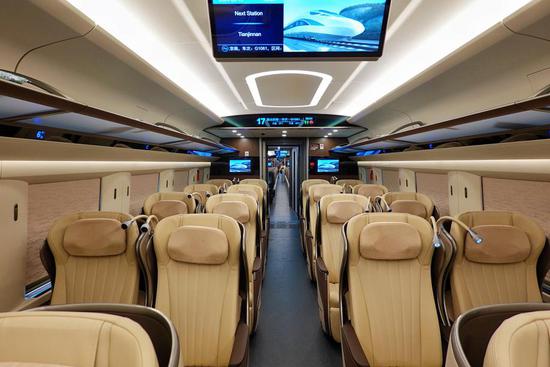
China's metro systems are among the fastest, cleanest, and most affordable in the world. With over 300 cities connected by urban rail and more than 10,000 kilometers of track, the Chinese subway is the backbone of daily life for hundreds of millions of people. As a foreign traveler, mastering the metro is not just convenient — it's your ticket to exploring China like a local, saving money, and avoiding the traffic chaos that plagues most Chinese cities.
This guide covers everything you need to know about using China's metro systems in 2026: from getting a transit card to navigating apps, understanding signage, and handling the quirks that trip up first-time visitors.
Which Cities Have a Metro?
As of 2026, over 50 Chinese cities have operational metro or urban rail systems. The most relevant for foreign travelers include:
- Beijing — 27 lines, the largest network in the world by route length
- Shanghai — 20 lines, covering the entire city and suburbs
- Guangzhou — 16 lines, connecting to neighboring Foshan
- Shenzhen — 16 lines, linking to Hong Kong's MTR
- Chengdu — 13 lines, expanding rapidly
- Hangzhou — 12 lines, built for the 2022 Asian Games
- Wuhan, Xi'an, Chongqing, Nanjing — all have extensive networks
Even smaller cities like Kunming, Xiamen, and Ningbo now have metro systems that are useful for tourists.
How to Pay: Transit Cards vs. Mobile Payment
Option 1: Transit Cards (T-Union)
Most cities accept the T-Union card (交通联合卡), a nationwide interoperable transit card. You can buy one at any metro station's customer service counter or at convenience stores like FamilyMart and 7-Eleven. The card costs ¥10-20 for the card itself, and you load it with credit at machines or service counters.
T-Union works in 300+ cities across China. If you travel to multiple cities, this is the most hassle-free option — no need to buy a new card in each city.
Option 2: Mobile Payment (Recommended)
By 2026, Alipay and WeChat Pay both support metro QR codes. Once you've set up either app (see our Alipay guide), simply open the metro QR code feature and scan at the gate.
For Alipay: Go to "Transport" → "Subway" → generate QR code. For WeChat Pay: "Me" → "Services" → "Transport" → "Subway".
Both apps now accept international credit cards linked to the account, making it seamless for foreign visitors.
Option 3: Bank Cards (Tap to Ride)
Beijing, Shanghai, Guangzhou, and Shenzhen now accept Visa, Mastercard, and UnionPay contactless cards directly at metro gates. Simply tap your bank card on the reader — no app or transit card needed. This is the newest and most convenient option for short-term visitors.
Pro tip: If you're only in one city for a few days, the bank card tap-to-ride option is the fastest way to get started. No registration, no setup.
Understanding the Metro System
Station Naming Conventions
Every metro station in China displays signs in both Chinese (中文) and English (pinyin or English translation). Major stations on tourist lines usually have full English translations. For example:
- 北京南站 → Beijing South Railway Station
- 虹桥火车站 → Hongqiao Railway Station
- 钟楼 → Bell Tower (Xi'an)
- 王府井 → Wangfujing (Beijing)
The pinyin pronunciation is written below each Chinese character on signage, so even stations without English translations are navigable if you know basic pinyin.
How to Read the Metro Map
Chinese metro maps follow international conventions:
- Colored lines — Each line has a unique color and number (e.g., Line 1 = red, Line 2 = blue in most cities)
- Circles = interchange stations (transfer points)
- Arrows indicate direction (内环/外环 for loop lines, or terminal station names)
- Current station is highlighted or marked with a special symbol
Boarding Etiquette
Chinese metro culture is highly orderly. Here are the unwritten rules:
- Let passengers exit first — Stand on both sides of the doors and wait. Cutting in is considered very rude.
- Stand on the right, walk on the left on escalators (though not always followed)
- Priority seating is for elderly, pregnant, and disabled passengers — offer your seat
- No eating or drinking in the metro (it's actually fined in some cities like Beijing and Shanghai)
- Keep noise down — Phone calls on speaker mode are frowned upon (though some locals do it)
Buying Tickets at the Machine
If you don't have a transit card or mobile payment, every metro station has ticket vending machines that accept cash and sometimes bank cards. Here's the step-by-step:
- Touch the screen and select English (most machines have this option)
- Choose your destination station (by line number and station name)
- Confirm the fare (typically ¥2-10 depending on distance)
- Insert cash (notes and coins accepted) or tap a bank card
- Collect your single-journey ticket (a small plastic token or paper card)
- Tap the token at the gate when entering, and drop it in the slot when exiting
Note: Single-journey tickets cannot be recharged. If you plan to make more than 3-4 trips, get a transit card or use mobile payment instead.
Common Scenarios for Foreign Travelers
Airport to City Center
Most major Chinese airports are connected to the metro:
- Beijing: Airport Express (Line 2) from PEK Terminal 3, or Daxing Line from PKX
- Shanghai: Metro Line 2 from PVG Terminal 1/2, Maglev from PVG (8 min to Longyang Road)
- Guangzhou: Line 3 from Baiyun Airport (CAN)
- Chengdu: Line 10 from Tianfu International Airport
Airport Express tickets cost ¥25-50 and take 20-40 minutes. Much cheaper than taxis (¥150-300) and often faster during rush hour.
Railway Station Transfers
China's high-speed rail stations are almost always connected to the metro. If you're arriving by train, look for the metro entrance sign (地铁) as soon as you exit the station. Key railway station connections:
- Beijing South Railway Station → Line 4
- Shanghai Hongqiao Station → Lines 2, 10, 17
- Guangzhou South Station → Line 2
- Xi'an North Station → Line 2
Late Night Travel
Most metro systems run from 5:30 AM to 11:00 PM. Some lines in Beijing and Shanghai extend to midnight. If you miss the last train, taxis and ride-hailing apps (Didi) are your backup.
Pro Tips for 2026
- Download the Amap (高德地图) or Baidu Maps app — Both support English metro route planning with real-time updates. Google Maps works in China but is less accurate for metro directions.
- Rush hour avoidance: 7:30-9:00 AM and 5:30-7:30 PM are brutal. Beijing Line 1 during rush hour is standing-room-only for 10+ stops.
- Security screening: Every metro station has airport-style bag checks. Have your bag ready to scan — it's quick but mandatory.
- Air quality: Metro stations are air-conditioned and filtered. On heavy smog days, the metro is genuinely more comfortable than walking.
- Free Wi-Fi: Most metro stations offer free Wi-Fi, though it may require a Chinese phone number to register.
- Last train announcements: Listen for "末班车即将进站" (last train approaching) — usually announced 10 minutes before closing.
Putting It All Together: A Sample Day
Here's how a typical day might look using the metro in Beijing:
- Morning: Tap your Visa card at the gate near your hotel → ride to Wangfujing (Line 1, ¥3)
- Midday: Walk to Tiananmen East (Line 1) → transfer to Line 2 → ride to Qianmen for lunch
- Afternoon: Line 2 to Dongzhimen → Airport Express to PEK for departure
Total cost: under ¥15 for the entire day. Compare that to ¥200+ in taxi fares.
Final Thoughts
China's metro system is a marvel of engineering and efficiency. Once you've used it once, you'll wonder how you ever traveled without it. The combination of English signage, contactless bank card payments, and smartphone apps means the barrier for foreign travelers has never been lower.
Don't be intimidated by the crowds or the size of the network. Jump in, tap your card, and let the metro take you anywhere you want to go in China.