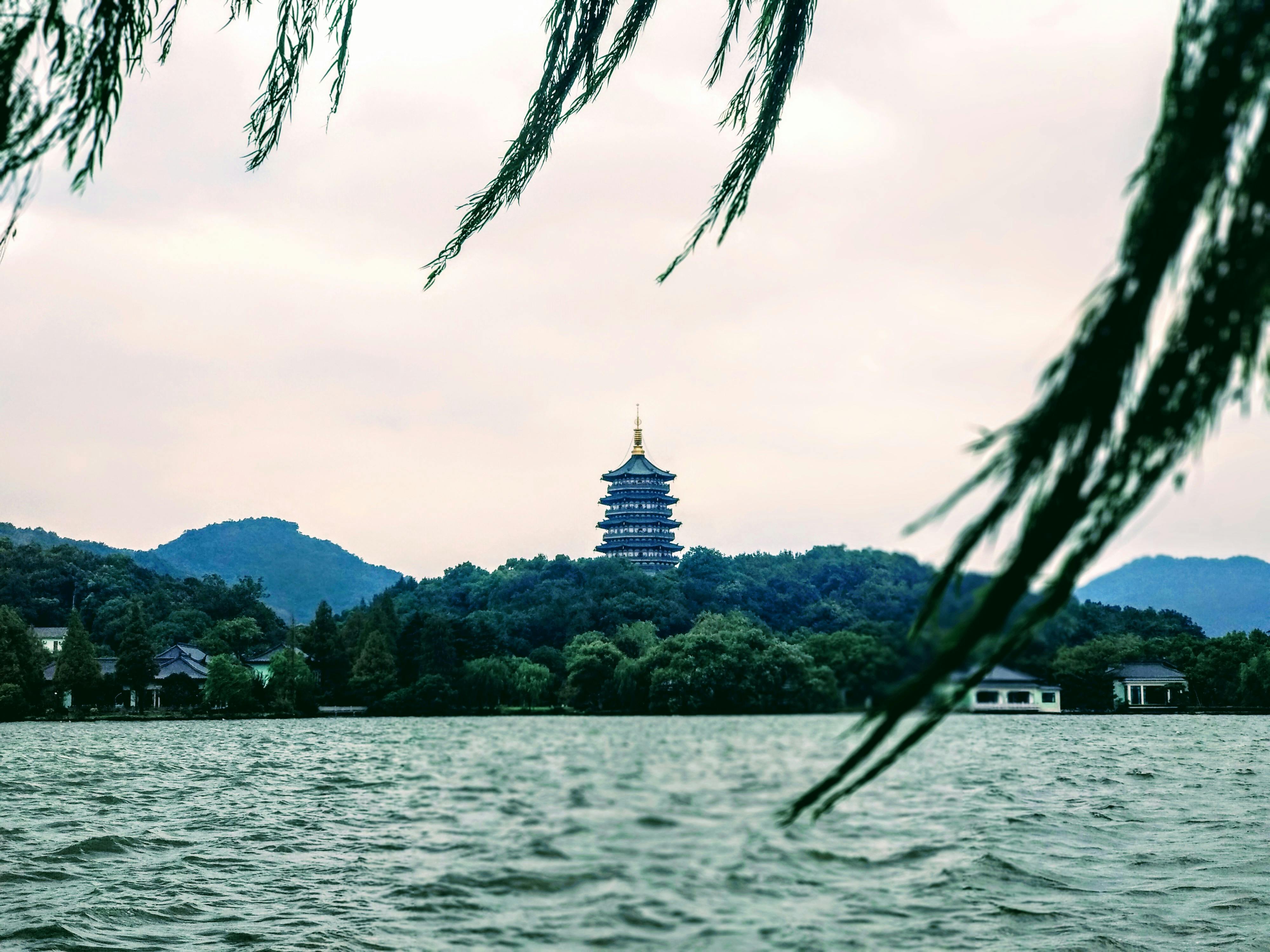
Hangzhou. Say it to anyone who's been to China and watch their eyes light up. This city is where ancient Chinese poets lost their words, where Marco Polo called the finest city in the world, and where today, you can drink tea on a hillside that's been cultivated for over a thousand years — all while your Alipay works flawlessly at every vendor.
In 2026, Hangzhou has quietly become one of China's most foreigner-friendly cities. It hosted the 2022 Asian Games, which modernized its transport and English signage dramatically. High-speed rail connects it to Shanghai in just 45 minutes. And West Lake — the city's crown jewel — remains as jaw-dropping as any natural wonder on earth, just with better facilities and easier access for international visitors.
Why Hangzhou in 2026?
Hangzhou hits a sweet spot that few Chinese cities manage: it's big enough to have world-class infrastructure, but compact enough to feel intimate. You can cycle along West Lake in the morning, hike to a tea plantation at noon, explore ancient temples in the afternoon, and eat your way through a night market after dark — all without feeling rushed.
The city is also one of China's tech capitals (home to Alibaba), which means the digital infrastructure is outstanding. English maps work perfectly in WeChat, Didi taxis arrive in under 3 minutes, and even small tea shops accept mobile payments with QR codes that have English instructions.
Top Things to Do
1. West Lake (西湖) — The Postcard That's Real
West Lake isn't just a lake — it's a UNESCO World Heritage Site, a national symbol, and the reason Hangzhou exists in the cultural imagination. The 6.5 km² body of water is ringed by pagodas, willow-lined causeways, and gardens that change with every season.
The Three Must-See Spots:
- Su Causeway (苏堤): Walk or cycle this 2.8 km causeway lined with willow trees and six stone bridges. Built by the poet-governor Su Dongpo in 1089, it divides the lake into inner and outer sections.
- Leifeng Pagoda (雷峰塔): Climb for a panoramic view of the lake. The sunset from the top — golden light on still water — is worth the ¥40 entry alone.
- Broken Bridge (断桥): The most romantic spot on the lake. Legend says two lovers met here on a snowy night. Come at dawn for mist rising off the water and zero crowds.
Pro tip: Rent a bicycle and complete the full lake loop (about 2 hours at a relaxed pace). Early morning (before 7 AM) is magical — the mist hangs over the water and you'll share the path with tai chi practitioners and joggers.
2. Longjing Tea Villages — Drink Tea Where It Grows
Hangzhou's West Lake Longjing (Dragon Well) tea is China's most famous green tea, and the villages where it's grown sit just 20 minutes from downtown by bus. Situated on lush hillsides where terraced tea fields cascade down slopes, this is where you can taste tea fresh from the source.
Best villages to visit:
- Meijiawu Tea Village (梅家坞): The most tourist-accessible. Walk through terraced fields, visit a tea farmer's house, and buy tea directly from producers at a fraction of retail prices.
- Longjing Village (龙井村): The birthplace of Dragon Well tea. Quieter than Meijiawu with a more authentic feel. Visit the Imperial Tea Garden where Qing Dynasty emperors once drank.
- Yangmeiling Tea Village (杨梅岭): A hidden gem with fewer tourists. The walk between villages through tea-covered hills is one of Hangzhou's best-kept secrets.
Visit in April during tea picking season to see farmers hand-plucking leaves. But honestly, any time of year the hills are green and the tea is fresh. A cup of Longjing at a village teahouse costs just ¥15–30, and you can buy 50g of premium tea for ¥100–200 — far less than what you'd pay for the same quality in a city shop.
3. Lingyin Temple (灵隐寺) — 1,700 Years of Silence
One of China's oldest and most important Buddhist temples, Lingyin ("Soul's Retreat") sits nestled in lush forested hills. The temple complex is enormous — the main hall's wooden pillars are carved with scenes from Buddhist scripture, and the gilded Buddha inside is massive and serene.
The surrounding area features over 470 stone carvings from the Song Dynasty etched into the hillside at Feilai Peak (飞来峰). These intricate reliefs — Buddhist figures emerging from living rock — are some of China's finest examples of religious art.
Entry: ¥75 for Feilai Peak + temple (both included). Arrive early (before 9 AM) or on a weekday. The incense smoke drifting through the forest is ethereal.
4. Grand Canal (京杭大运河) — A Living Engineering Marvel
The Beijing-Hangzhou Grand Canal is the world's longest man-made waterway at 1,776 km, and Hangzhou's stretch is the most atmospheric. Take a canal boat from Wulin Wharf through historic neighborhoods, past stone bridges, old warehouses, and families doing laundry on the canal steps — just as they have for centuries.
The Gongchen Bridge area is particularly photogenic, with traditional shophouses reflected in still canal water. Evening boat tours (¥80) offer a different perspective as lanterns light up the waterway.
5. Hefang Street (河坊街) & Chinese Medicine Museum
This pedestrian shopping street recreates a Song Dynasty marketplace. It's touristy, yes, but worth a visit for the food: try Qingtang Wonton (清汤馄饨, clear broth dumplings), Aiwo Steamed Buns (艾窝窝, glutinous rice balls), and Guanyin Su (观音素, Buddhist vegetarian snacks).
The adjacent Chinese Medicine Museum — a free museum in a 300-year-old pharmacy — explains traditional Chinese medicine with fascinating English exhibits. The herbal tea shops nearby serve unique blends you can't find anywhere else.
Getting There
By high-speed rail from Shanghai: 45 minutes, trains depart every 10–15 minutes. This is the most popular route — many people do day trips. Tickets cost ¥40–75 depending on class.
By air: Hangzhou Xiaoshan International Airport (HGH) has direct flights from Hong Kong, Singapore, Bangkok, Seoul, Tokyo, and many Chinese cities. The airport metro Line 1 reaches downtown in about 30 minutes.
From Shanghai Airport: Take the Shanghai–Hangzhou intercity bus from Hongqiao Airport (2.5 hours, ¥120) or the high-speed train from Shanghai Hongqiao Station (45 minutes).
Best Time to Visit
March–April: The season of "Spring Rain on West Lake" — willows turn green, peach blossoms bloom along the causeways, and the misty atmosphere makes every photo look like a Chinese painting. This is peak season.
September–October: Autumn brings warm days, cool nights, and Osmanthus Festival (桂花节) — the entire city fills with the sweet scent of blooming osmanthus flowers. Lotus flowers still dot the lake. Best time for photography.
May–June: Warm but not hot, with occasional rain. Fewer tourists than spring. The tea villages are lush and green.
July–August: Hot and humid (35°C+), but the tea plantations stay cool on the hills. Avoid if you're heat-sensitive.
Food: What to Eat in Hangzhou
Hangzhou cuisine (杭帮菜) is refined, light, and subtly sweet — a stark contrast to Sichuan's fiery flavors. The city's signature dishes are must-tries:
- Dongpo Pork (东坡肉): Slow-braised pork belly in soy sauce and Shaoxing wine. Melt-in-your-mouth tender. Every restaurant serves it differently — try it at Louwaimen Restaurant (楼外楼) near West Lake for the classic version.
- West Lake Vinegar Fish (西湖醋鱼): Freshwater fish in a sweet-and-sour sauce. Controversial — some love it, some find it too subtle. Try it once to judge for yourself.
- Beggar's Chicken (叫化鸡): A whole chicken stuffed with mushrooms and wrapped in lotus leaves, then baked in clay. Cracking open the crust is half the fun.
- Longjing Shrimp (龙井虾仁): Fresh river shrimp stir-fried with Longjing tea leaves. Light, elegant, and uniquely Hangzhou.
- Song Sao Soup (宋嫂鱼羹): A silky fish soup with bamboo shoots and mushrooms — comfort food in a bowl.
Where to eat: For local Hangzhou food, skip the West Lake tourist restaurants and head to Lao Guan Zhou (老观州) or Grandma's Kitchen (外婆家) — the latter is a popular local chain with English menus and reasonable prices (¥50–80 per person).
Practical Tips for Foreign Travelers
- Payment: Alipay and WeChat Pay are accepted everywhere, from ¥1 street snacks to West Lake boat tickets. Set up your apps before arriving — Hangzhou is a cashless city.
- Language: English is decent near West Lake and in hotels, but limited elsewhere. The Hangzhou Metro now has English announcements and station signs. Download a translation app as backup.
- eSIM: Coverage is excellent across all major networks. Get a China eSIM before landing — 4G/5G works seamlessly in the city and even in tea villages.
- Getting around: Hangzhou's metro now has 5 lines covering most tourist areas. The public bike system (public card or Alipay scan) is cheap (¥1/hour) and the best way to explore West Lake. Didi works everywhere.
- Budget: Expect to spend ¥300–500/day ($40–70 USD) including accommodation, food, transport, and attractions. West Lake itself is free to visit — you only pay for specific temples and museums.
- Accommodation: Stay near West Lake (West Lake District or Shangcheng District) for the best access. Boutique hotels in converted traditional houses offer a unique experience. Book through Trip.com and filter for "Foreigner-Friendly."
Sample 2-Day Itinerary
Day 1 — West Lake & Old Town:
Morning: Arrive by train from Shanghai (45 min). Check in, then walk to West Lake. Stroll Su Causeway, visit Broken Bridge, take a boat to Three Pools Mirroring the Moon (¥55). Afternoon: Leifeng Pagoda for sunset views. Evening: Dinner at a lakeside restaurant, then night cruise on the canal (¥80).
Day 2 — Tea & Temples:
Morning: Bus to Longjing Tea Village (20 min). Walk the terraced fields, visit a tea farmer, taste and buy tea. Late morning: Walk to Lingyin Temple via the scenic forest path. Afternoon: Explore Feilai Peak stone carvings. Head to Hefang Street for street food and souvenirs. Catch the evening train back to Shanghai.
Extended (3 days): Add a day trip to Wuzhen Water Town (1.5 hours by bus) — a perfectly preserved canal town that inspired Chinese painters for centuries. Or take the 1-hour bus to Yandang Mountains for dramatic cliff scenery.
Final Thoughts
Hangzhou is the rare city that rewards both the curious wanderer and the planner. You can spend hours getting lost in tea villages and emerge with a pocket full of stories and a bag of premium Longjing. Or you can hit the highlights in a well-organized weekend and still feel like you've seen something real.
What makes it special isn't any single attraction — it's the way the city wraps its history around you like a warm blanket. The tea scent drifting from hillsides, the calligraphers practicing on the causeway at dawn, the old men playing chess by the canal. This is China at its most poetic, and it's closer than you think.
Catch the next train from Shanghai. It's only 45 minutes.