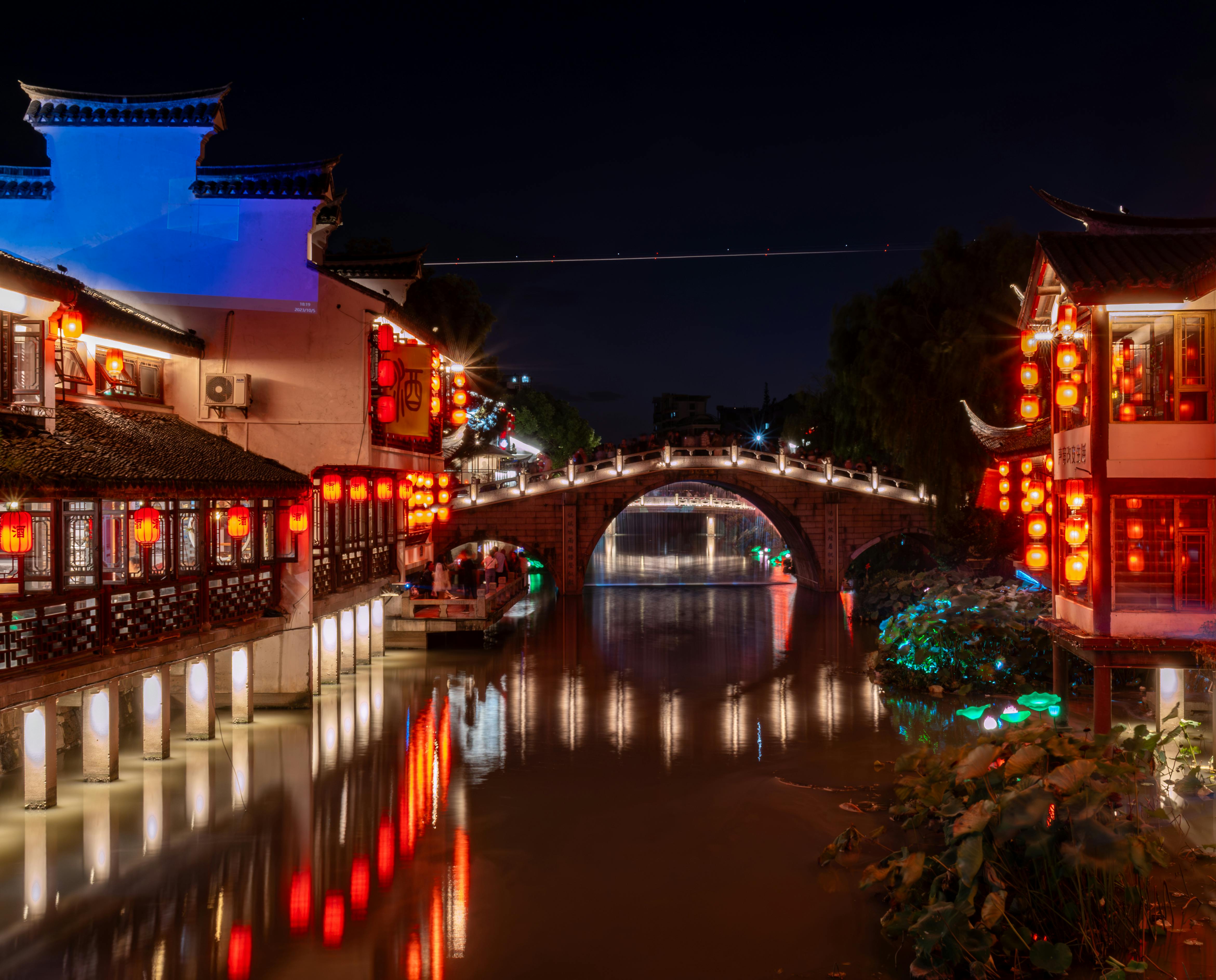
Why Suzhou Belongs on Your China Itinerary
Suzhou, a 2,500-year-old city in Jiangsu province, is often called the "Venice of the East" — and for good reason. Crisscrossed by canals, dotted with classical gardens recognized as UNESCO World Heritage Sites, and famed for its silk, Suzhou offers a calmer, more refined counterpoint to the megacity energy of Shanghai, just 30 minutes away by high-speed rail.
For foreign travelers, Suzhou is the perfect day trip or two-day escape: it packs world-class history, serene landscapes, and incredible food into a compact, walkable old town. This guide covers the top gardens, canal experiences, local dishes, and practical tips for visiting in 2026.
The Classical Gardens: Suzhou's Crown Jewels
Suzhou's classical gardens are the reason most visitors come. These are not botanical gardens in the Western sense — they are meticulously designed miniature worlds where rockeries, ponds, pavilions, and calligraphy combine to create ever-changing views from every angle.
The Humble Administrator's Garden (拙政园)
China's most famous garden, covering over 5 hectares, is a masterpiece of Ming Dynasty design. Water dominates two-thirds of the garden, with pavilions built to frame specific views. Arrive at opening time (7:30 am) to avoid the tour groups, and allow 2–3 hours. Ticket: about ¥80 (peak season).
The Lingering Garden (留园)
Smaller and more intimate than its famous neighbor, the Lingering Garden is celebrated for its extraordinary rock formations, particularly the 6-meter-tall "Cloud-Capped Peak" limestone. It's quieter in the late afternoon and equally beautiful in the rain.
The Master of the Nets Garden (网师园)
Compact but flawless, this garden is a favorite among connoisseurs. At just over half a hectare, it demonstrates how to create a complete landscape in miniature. In summer, it hosts an unforgettable evening performance of Kunqu opera and traditional music (night garden tours, May–October).
Tip: Buy a combined garden ticket or use the Suzhou tourism bus that connects the major gardens. If you only see one, make it the Humble Administrator's Garden.
Canals and Water Towns: The Venice of the East
Suzhou's old town is threaded with canals lined by whitewashed houses with black-tiled roofs. The best way to experience them is a boat ride along the Pingjiang Road canal (平江路) — about 40 minutes of drifting past stone bridges, teahouses, and locals going about their day.
For a deeper water-town experience, two famous options lie just outside the city:
- Tongli (同里) — 18 km from Suzhou, a canal town with the exquisite Retreat & Reflection Garden, best visited early morning before day-trippers arrive. Reachable by metro line 4.
- Zhouzhuang (周庄) — the most famous "Venice of the East" water town, slightly farther (about 40 km). Known for its double bridges and evening lanterns.
Both are charming, but Tongli is easier to reach and less crowded. If you're short on time, the Pingjiang Road boat ride plus a stroll through the nearby Shantang Street (山塘街) at dusk gives you the full canal-town feeling without leaving the city.
Silk, Suzhou Embroidery, and Where to Shop
Suzhou has been China's silk capital for over a millennium, and the Silk Road's name actually derives from products like these. Visit the Suzhou Silk Museum to see the entire process from silkworm to finished fabric, then browse the adjacent shops for scarves, quilts, and fabrics at far better prices than Shanghai's tourist stores.
Suzhou embroidery (苏绣) is one of China's four famous embroidery styles — the finest pieces are so delicate they look like ink paintings. For authentic work, visit the Embroidery Research Institute or the craft shops around the museum. Budget from ¥50 for a small scarf to thousands for a masterwork.
Shopping tip: Most garden-area shops accept Alipay and WeChat Pay; carry a little cash as backup for tiny stalls. Bargaining is expected at markets but not in fixed-price shops.
What to Eat in Suzhou
Suzhou cuisine is one of China's "four great traditions" — sweeter and more refined than northern cooking, with an emphasis on freshness and seasonal ingredients.
- Songshu guiyu (松鼠桂鱼) — "Squirrel-shaped mandarin fish," a legendary dish of crisp fried fish in sweet-and-sour sauce, shaped like a squirrel. Try it at Songhelou (松鹤楼), a restaurant dating to 1757.
- Suzhou-style noodles — delicate wheat noodles in clear broth, topped with anything from eel to shrimp. Head to a busy local noodle shop for breakfast.
- Gulao rou (古老肉) and pan-fried buns — the old town's snack streets are packed with steamed buns, sticky rice dumplings, and sweet osmanthus cakes.
- Biluochun tea — one of China's most famous green teas, grown on nearby Dongting Mountain. Sip it at a canal-side teahouse.
Getting There and Around (2026)
From Shanghai: The Shanghai–Suzhou high-speed rail link takes just 25–35 minutes from Shanghai Hongqiao or Shanghai Railway Station. Trains run every few minutes; tickets cost about ¥40 one way. Book via the official 12306 app (with your passport) or Trip.com. Arrive at Suzhou Railway Station (苏州站) — it's closest to the old town and gardens.
Getting around Suzhou: The city has a clean, efficient metro system (lines 1–8 by 2026) covering the gardens, museum, and railway station. Taxis and Didi rides are cheap — a cross-city ride rarely exceeds ¥30. The old town itself is best explored on foot.
Visa reminder: Suzhou is included in China's 240-hour visa-free transit policy for eligible nationalities, and it's an easy add-on to any Shanghai itinerary. Check the latest visa rules before you fly.
Suzhou Sample Itinerary
| Time | Activity |
|---|---|
| Morning | Humble Administrator's Garden (arrive at 7:30 am) |
| Late morning | Suzhou Museum (free, designed by I.M. Pei) — reserve in advance |
| Lunch | Songhelou for squirrel-shaped mandarin fish |
| Afternoon | Pingjiang Road canal boat ride, then the Master of the Nets Garden |
| Dusk | Shantang Street — lanterns, snacks, and a teahouse |
| Evening | High-speed rail back to Shanghai, or overnight at a canal-side hotel |
Plan Your Suzhou Trip with TravelSpot
Suzhou pairs perfectly with Shanghai, Hangzhou, and the rest of China's high-speed rail network. TravelSpot helps international visitors build practical, day-by-day China itineraries — tell us your dates and interests, and we'll handle the route, train tickets, and hotel suggestions for free.