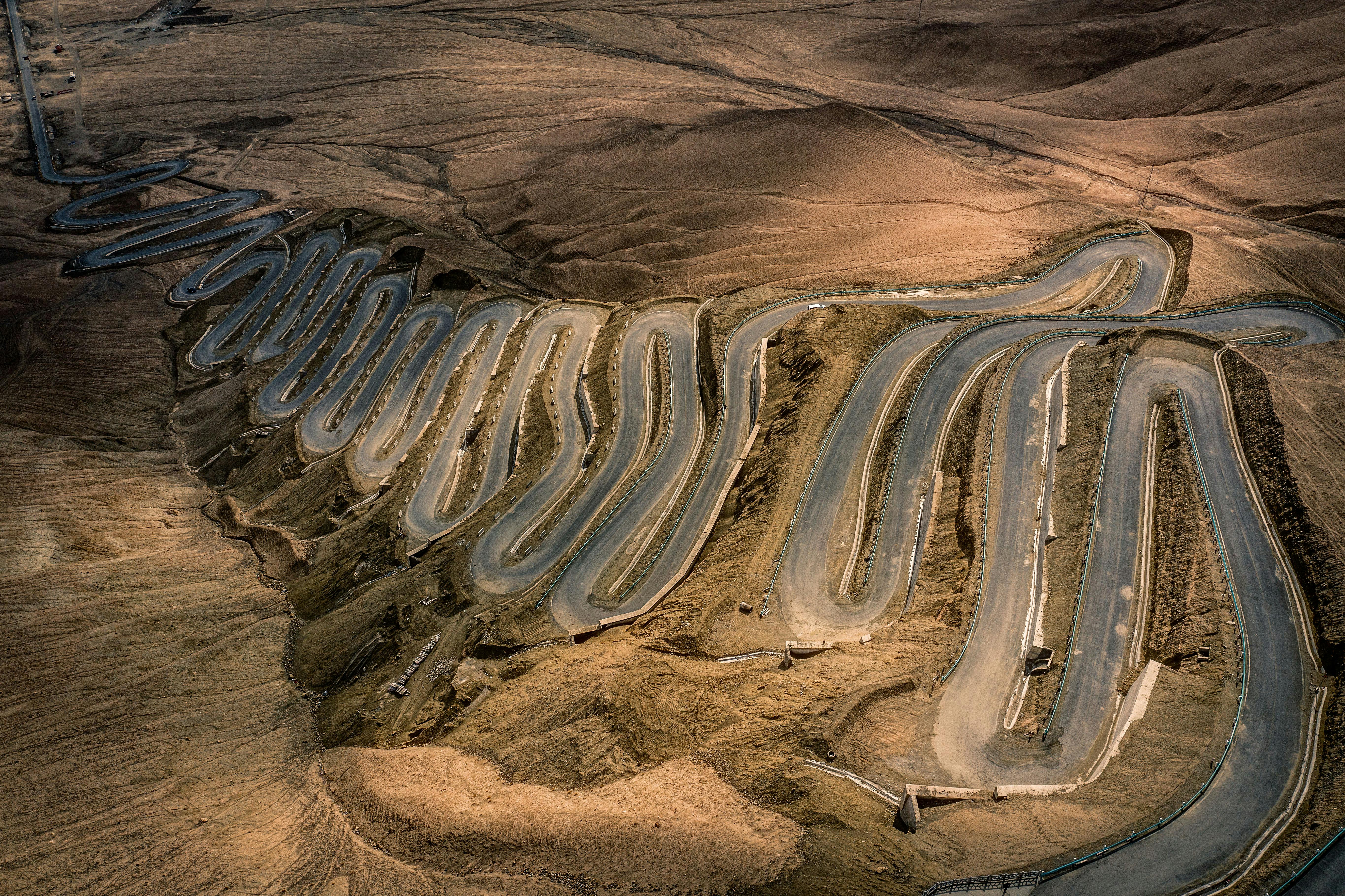
Xinjiang is China's wild west: a region the size of Western Europe where snow-capped ranges, scorching deserts and emerald grasslands sit side by side. Covering roughly one-sixth of China's territory, it was the heart of the ancient Silk Road, and its oasis cities still carry the atmosphere of that era. For foreign travelers, Xinjiang offers some of the most spectacular scenery in Asia - from the Sunday livestock market of Kashgar to the color-changing waters of Kanas Lake. This 2026 guide covers the top destinations, the best time to go, food you should not miss, and practical advice for getting around.
Why Visit Xinjiang
- Silk Road history: few places let you feel the old trading routes as vividly as Kashgar, where Central Asian, Persian and Chinese cultures have mixed for over 2,000 years.
- Dramatic variety: deserts, alpine lakes, canyons and grasslands - Xinjiang packs landscapes that would take a whole country to match elsewhere.
- Distinct culture and food: Uyghur cuisine - lamb skewers, hand-pulled laghman noodles and the sweetest melons and grapes in China - is a highlight of any trip.
- Fewer crowds: outside a handful of famous sights, Xinjiang still feels genuinely off the beaten path compared with eastern China.
Best Time to Visit
May to October is the main travel season. September and early October are the best months overall: summer heat fades, skies stay clear, and Kanas Lake reaches its famous autumn gold. July and August are hottest in the Turpan basin (often above 40 C), while winter is bitterly cold but offers skiing around Urumqi. For the classic highlights, plan for late spring or autumn.
Top Destinations
Kashgar: The Silk Road's Living Oasis
Kashgar, in the far west, is the most atmospheric city in Xinjiang. Wander the maze-like alleys of the Old Town, watch craftsmen hammering copper and carving wood, and visit the 19th-century Id Kah Mosque, one of China's largest. If you are there on a Sunday, do not miss the legendary Sunday livestock market, where farmers in embroidered caps trade sheep, camels and horses. Kashgar is also the launch point for trips to Karakul Lake and the Pamir Highway border area.
Kanas Lake: Autumn Colors in the Far North
Near the northern border with Kazakhstan and Russia, Kanas Lake is Xinjiang's most beautiful natural sight - a long, glacier-fed lake that shifts from turquoise to deep blue, framed by larch and birch forests that turn gold in late September. A local legend even claims a lake monster lives in its depths. Combine Kanas with the nearby Hemu village of the Tuva people for one of China's great autumn destinations.
Heavenly Lake (Tianchi)
Just a few hours from Urumqi, Tianchi is a crystal-clear alpine lake reflecting the 5,445-meter Bogda Peak. It has been considered a sacred place for centuries and is the easiest taste of Xinjiang's mountain scenery - boat rides, lakeside walks and a short cable car are all on offer. It works well as a day trip from the regional capital.
Turpan and the Flaming Mountains
Turpan, one of the lowest points in China, is famous for the Flaming Mountains - crimson ridges that glow at sunset and are said to be the setting of the Monkey King legend. Below them lie the Bezeklik Thousand Buddha Caves and the ingenious karez underground irrigation system that turned desert into vineyards. Visit in September, when the local grapes are at their sweetest.
Food You Should Not Miss
- Lamb skewers (chuanr): grilled over charcoal and dusted with cumin and chili - Xinjiang's signature street food.
- Laghman: hand-pulled noodles stir-fried with beef, peppers and tomatoes.
- Polo (pilaf): rice cooked with lamb and carrots, often served at weddings and festivals.
- Naan bread: fresh from clay ovens, perfect with tea or kebabs.
- Melons and grapes: Hami melons, Turpan grapes and figs - some of the sweetest fruit in China.
Getting Around
Most international and domestic visitors fly into Urumqi, Xinjiang's capital, which has direct flights from Beijing, Shanghai, Xi'an and several international hubs. From Urumqi, domestic flights to Kashgar and Kanas save days of driving, while the high-speed rail network now reaches Turpan and Hami. Between cities, buses and private drivers are common; for the remote north around Kanas, booking through a local operator is the most reliable option. Within cities, ride-hailing apps such as Didi work in Urumqi and Kashgar, and payment apps (Alipay or WeChat Pay) are accepted almost everywhere.
Practical Tips for 2026
- Carry your passport: hotels and transport checks require it; keep a photo backup on your phone as well.
- Plan for the distance: Xinjiang is vast - Kashgar to Kanas is over 2,000 km by road, so fly between the main hubs rather than trying to do everything in one trip.
- Dress for extremes: summer days are hot and dry, but mountain areas such as Kanas and Tianchi turn cold at night even in September.
- Book Kanas early in autumn: late September is peak season for the golden larches, so reserve hotels in advance.
- Respect local customs: in predominantly Muslim areas, dress modestly and ask before photographing people.
Sample One-Week Route
Days 1-2: Urumqi - Xinjiang Museum and a day trip to Heavenly Lake. Day 3: fly to Kashgar; Old Town and Id Kah Mosque. Day 4: Sunday livestock market (if timed right) or a day trip to Karakul Lake. Days 5-6: fly back via Urumqi to Kanas; lakeside walks and Hemu village. Day 7: return to Urumqi and fly out. For a shorter trip, Urumqi plus Tianchi and Turpan makes a comfortable five-day introduction.