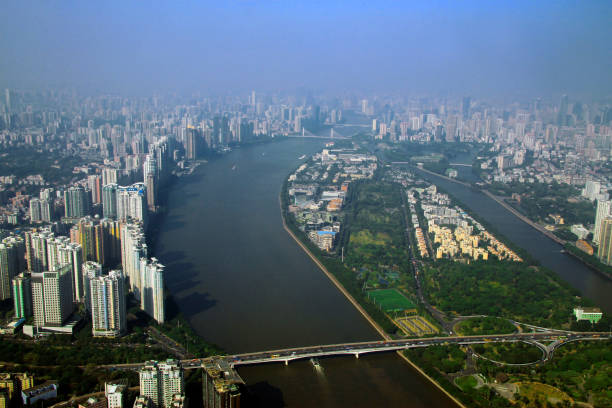
Guangzhou - long known to the West as Canton - is China's great southern gateway: a 2,200-year-old trading port that still runs on commerce, food and river life. It is the capital of Guangdong province and the heart of the Pearl River Delta, one of the world's largest urban clusters. For foreign visitors, Guangzhou delivers a China that feels different from Beijing or Shanghai: neighborhoods built around food, a laid-back subtropical pace, and history that faces south toward the sea. This 2026 guide covers the top sights, the essential food experiences, transport basics and a practical two-day route.
Why Visit Guangzhou
- The food capital: many Chinese travelers say the best Cantonese food in the world is in Guangzhou - dim sum breakfasts, silky congee, roast goose and late-night porridge are the main attractions of any trip.
- Lingnan culture: ancestral halls, colonial arcades and Cantonese opera give the city a distinct identity within China, visible everywhere from Shamian Island to Chen Clan Ancestral Hall.
- A real working city: unlike purely tourist destinations, Guangzhou lets you see how one of China's busiest economies actually operates - markets, trading malls and riverside life included.
- A convenient hub: with a major international airport and fast rail connections to Hong Kong, Shenzhen and the rest of China, Guangzhou works perfectly as a first or last stop on a longer trip.
Best Time to Visit in 2026
Guangzhou has a humid subtropical climate, so timing matters more for comfort than for scenery:
- October to December: the sweet spot - warm days, low humidity and clear skies. The Canton Fair also fills hotels in October, so book early.
- January to March: mild and dry, with occasional cold snaps; spring flowers bloom from late February.
- April to May: warm and pleasant, but also the spring Canton Fair period (mid-April to early May) when hotels spike.
- June to September: hot, humid and rainy with typhoon season peaking around August - indoor sights and air-conditioned malls become your friends.
How to Get to Guangzhou
- By air: Guangzhou Baiyun International Airport (CAN) is one of Asia's busiest hubs with direct flights from across the world. The airport is linked to the city center by Metro Line 3 and the airport express train - roughly 45-60 minutes downtown.
- From Hong Kong: the Guangzhou-Shenzhen-Hong Kong Express Rail Link runs from Hong Kong West Kowloon to Guangzhou South in about an hour - see our high-speed rail guide for booking and boarding basics.
- From other Chinese cities: Guangzhou South is a national rail hub, with frequent services from Shenzhen (~30 min), Guilin (~3 hours), Wuhan and beyond.
Getting Around
The metro is the fastest way to move around Guangzhou - it is extensive, cheap and has English signage on every line. Our China metro guide explains how to ride. For door-to-door trips, Didi ride-hailing works well and most drivers are used to foreign passengers in the city center. Pay for everything with Alipay or WeChat Pay - both now accept international cards, and cash is rarely needed.
Top Sights
Canton Tower
Guangzhou's 600-meter landmark towers over the Pearl River and is best visited at sunset, when the city lights come on and the tower itself glows. Book the observation deck in advance on busy weekends; on clear days you can see across the entire delta.
Shamian Island
A small, tree-lined island of 19th-century European architecture - banks, churches and consulates from the treaty-port era. It is Guangzhou's most walkable corner: quiet lanes, cafés and river views, perfect for a slow afternoon.
Chen Clan Ancestral Hall
One of China's finest examples of Lingnan architecture. The 1894 hall is covered in intricate wood, stone and ceramic carvings, and now houses the Guangdong Folk Art Museum - allow an hour to study the roof ridge decorations alone.
Yuexiu Park
The city's green heart and home to the Five Rams statue - the symbol of Guangzhou - plus the ancient Zhenhai Tower with a city museum inside. Free to enter, great for a morning stroll.
Pearl River Night Cruise
A classic evening activity: boats run past the illuminated skyline between the Haixinsha area and White Swan Hotel. Book the later sailing for the full light show, and grab a window seat on the right side for Canton Tower views.
Eating in Guangzhou
Food is the real reason to visit, so plan around it:
- Dim sum breakfast (yum cha): pushcart or order-by-menu restaurants serve har gow (shrimp dumplings), siu mai, cheung fun (rice rolls) and char siu bao until early afternoon. Classic choices cluster around the old town and in department-store tea houses.
- Signature dishes: white-cut chicken, roast goose, clay-pot rice and double-skin milk pudding are local specialties - ask any Cantonese friend for their favorite, and you will get a passionate answer.
- Street food: Beijing Road, Shangxiajiu Pedestrian Street and Baohua Road are the best hunting grounds for snacks at night.
- Budget: a solid dim sum meal runs roughly ¥40-80 per person, and a generous dinner with tea around ¥80-150 - very reasonable by international standards. See our China travel budget guide for full cost planning.
Day Trips and Connections
- Shenzhen: 30 minutes away by high-speed rail - a futuristic contrast of tech parks and coastline, easy as a half-day add-on.
- Foshan & Shunde: Guangdong's culinary heartland, famous for Cantonese home cooking and the Ancestral Temple - about an hour away.
- Hong Kong: an hour by express rail, making Guangzhou a natural bookend for trips that include Hong Kong.
Sample Two-Day Itinerary
- Day 1: Morning at Yuexiu Park, then Chen Clan Ancestral Hall. Dim sum lunch. Afternoon wandering Shamian Island, then dinner on Baohua Road. Evening Pearl River cruise.
- Day 2: Morning at the Cathedral of the Sacred Heart and Beijing Road's archaeological site, then shopping or a food crawl around Shangxiajiu. If you have energy, add the Canton Tower at sunset before dinner.
Practical Tips for 2026
- Visa: many nationalities can use China's visa-free transit scheme when flying through Guangzhou Baiyun - check your eligibility before booking.
- Connectivity: install an eSIM before you land so maps and payment apps work from the moment you arrive.
- Language: English is limited outside hotels and the airport; the metro, major sights and payment apps all have English modes, and translation apps work well for restaurant menus.
- Hotels: book near the metro in Yuexiu or Tianhe districts for the best balance of convenience and value - our China hotel guide has practical booking advice.
Guangzhou rewards travelers who slow down: drink tea in the morning, eat more than you planned, and let the city's riverfront rhythm set the pace. It is one of China's most welcoming gateways - and one of its most delicious.