Shanghai Travel Guide 2026: The Bund, Yu Garden, French Concession & Insider Tips
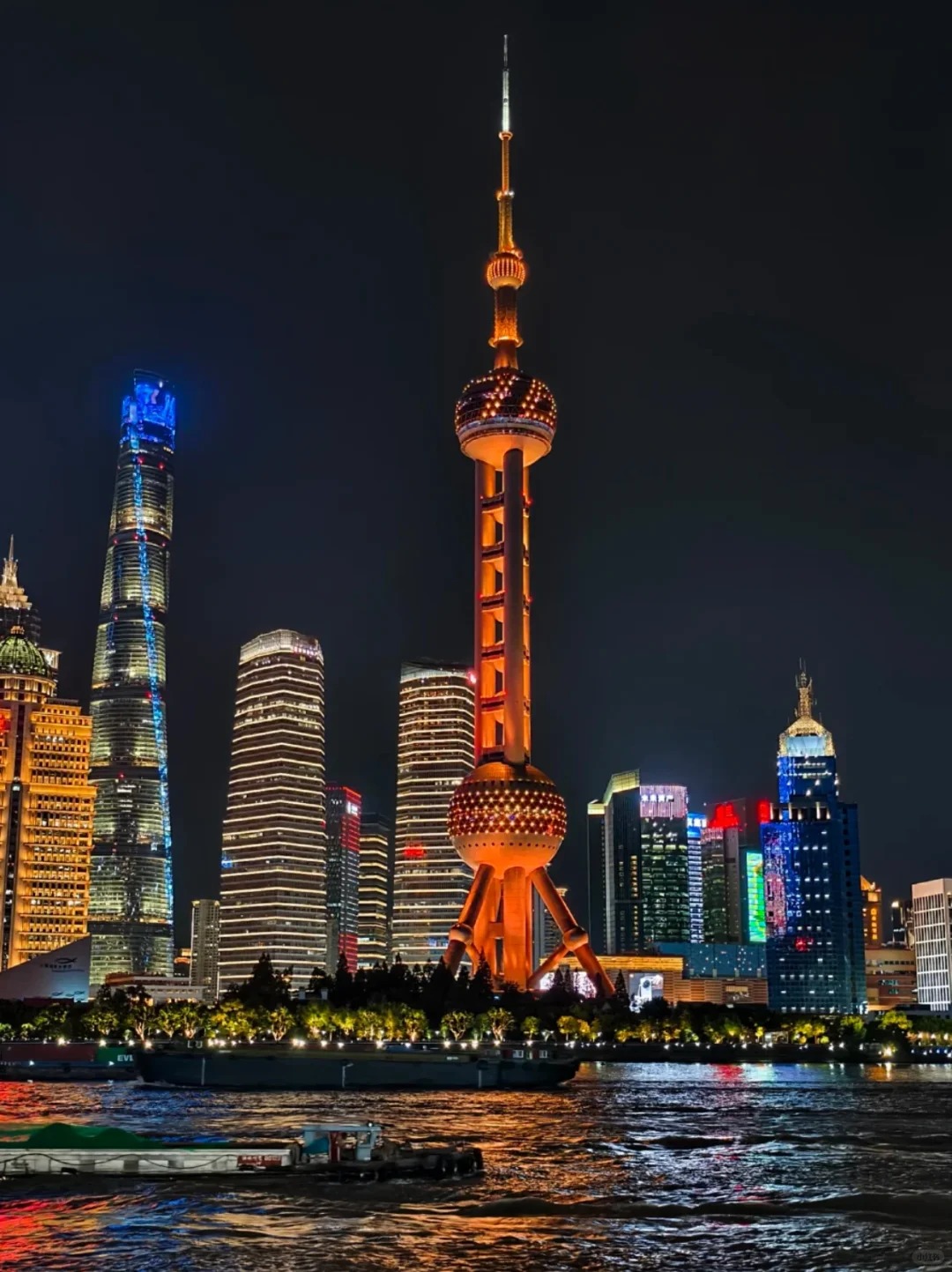
Shanghai is China's largest city, its financial capital, and — for many foreign travelers — the first taste of modern China. A city of contrasts where 1930s Art Deco buildings sit beside futuristic skyscrapers, where ancient temples share blocks with Michelin-starred restaurants, and where the neon-lit skyline along the Bund has become one of the most recognizable cityscapes on Earth.
In 2026, Shanghai is more foreigner-friendly than ever. The 240-hour visa-free transit policy lets you explore for up to 10 days without a visa, the metro system now has 20 lines covering every corner of the city, and payment apps like Alipay and WeChat Pay have streamlined the experience for international visitors. Whether you're here for a weekend stopover or a deep-dive adventure, this guide covers everything you need to know.
Why Shanghai in 2026?
- 240-hour visa-free transit — Shanghai is one of the most popular entry points; no visa needed for 10 days
- Shanghai-Hangzhou Maglev expansion — now connecting to Hangzhou in 50 minutes
- New Line 20 metro extension — direct airport-to-city connection in 25 minutes
- Global food scene — more Michelin-starred restaurants than any other Chinese city
- Safe and walkable — one of the safest major cities in the world
Top Attractions
1. The Bund (外滩)
Shanghai's most iconic waterfront stretch — 1.5 km of colonial-era buildings facing the futuristic Pudong skyline across the Huangpu River. The contrast between the 1920s European architecture on the west bank and the glass-and-steel towers on the east bank is what makes this view legendary.
Visitor tips:
- Visit at night for the full neon-lit spectacle — the skyline lights up at 6:30 PM
- Walk the full length from Waibaidu Bridge to the old docks
- Cross to Pudong via the Bund Sightseeing Tunnel (¥50, a kitschy tunnel ride) or take the metro one stop to Lujiazui
2. Yu Garden & Old City (豫园)
A 400-year-old classical Chinese garden in the heart of the old city. Wander through rockeries, koi ponds, and pavilions before diving into the surrounding bazaar for soup dumplings and street snacks.
- Entry: ¥40 (garden only) or free for the surrounding bazaar
- Must-eat: Nanxiang steamed buns (南翔小笼包) at the famous stall in the bazaar — arrive before 10 AM to beat the queue
- Pair with nearby Confucius Temple and City God Temple for a full old-city morning
3. The French Concession (法租界)
Tree-lined boulevards, independent boutiques, hip cafes, and 1930s European villas — this is Shanghai at its most charming. The area around Wukang Road and Anfu Road has become the city's trendiest neighborhood.
What to do:
- Browse independent bookshops and design stores along Anfu Road
- Visit the former residence of Sun Yat-sen (¥20)
- Grab specialty coffee at one of dozens of third-wave cafes
- Walk Wukang Road at sunset — the golden hour light on the European architecture is stunning
4. Shanghai Tower (上海中心大厦)
The world's second-tallest building at 632 meters. Take the world's fastest elevator (18 m/s) to the observation deck on the 118th floor for panoramic views of the entire city. On clear days, you can see all the way to Suzhou.
- Ticket: ¥180 (book online to skip the queue)
- Go at sunset for both daytime and nighttime views
5. Zhujiajiao Water Town (朱家角)
A 1,700-year-old canal town just 50 minutes from downtown Shanghai. Narrow waterways, stone bridges, and rice-wine shops — it's a taste of old Jiangnan without the long travel time.
- Free entry to the town; some attractions ¥30–60
- Take a gondola ride through the canals (¥80–150)
- Try zongzi (sticky rice dumplings) from street vendors
Shanghai Food Guide
Shanghai's food scene is extraordinary. From humble street stalls to world-class fine dining, the city offers every culinary experience imaginable.
Must-Try Shanghainese Dishes
- Xiaolongbao (小笼包) — The city's signature dish. Soup dumplings with delicate pleated skin and rich pork filling. Best at Jia Jia Tang Bao (佳家汤包) or Din Tai Fung
- Shengjianbao (生煎包) — Pan-fried buns with crispy bottoms and juicy pork filling. Try Yang's Dumplings (小杨生煎) for the local classic
- Red-braised pork (红烧肉) — Melt-in-your-mouth pork belly in sweet soy sauce. A Shanghainese grandmother's specialty
- Hairy crab (大闸蟹) — Seasonal delicacy in autumn (September–November). The female crab's roe is legendary
- Congyou banmian (葱油拌面) — Scallion oil noodles. Simple, fragrant, and addictive
Best Food Streets
- Yunnan South Road (云南南路) — Classic Shanghai snacks street; try the lamb skewers and fried chicken
- Chenghuangmiao Bazaar (城隍庙) — Touristy but essential for soup dumplings and traditional snacks
- Wukang Road (武康路) — Upscale cafes, brunch spots, and Western-Shanghai fusion
- Jing'an Temple area — Mix of local eateries and international restaurants
Day Trips from Shanghai
- Hangzhou (45 min by high-speed rail) — West Lake, Longjing tea plantations, Lingyin Temple. One of China's most beautiful cities
- Suzhou (30 min by high-speed rail) — Classical gardens (Humble Administrator's Garden), silk museums, and canal towns
- Nanjing (1.5 hours by high-speed rail) — Sun Yat-sen Mausoleum, Confucius Temple, and the sobering Nanjing Massacre Memorial
Getting Around
- Metro: 20 lines covering the entire city. ¥3–9 per ride. Use Alipay QR code to enter — no paper ticket needed
- Taxi: Starts at ¥14. DiDi works well. Show the Chinese name of your destination to the driver
- Didi (ride-hailing): China's Uber, accepts Alipay. English interface available
- Shared bikes: Meituan and Hello Bike everywhere — scan and ride, ¥1.5 per 30 minutes
- Pudong Airport: Maglev train to Longyang Road in 8 minutes (¥50, reaches 430 km/h) or Metro Line 2 to city center in 45 minutes
Where to Stay
- The Bund area — Premium hotels with skyline views. The Peninsula, W Hotel, and Fairmont are iconic choices
- French Concession — Boutique hotels and Airbnb stays in restored villas. Best for walkability and nightlife
- People's Square / Nanjing Road — Central location, easy metro access, range of budgets
- Jing'an — Upscale residential area, quieter, excellent restaurants
Practical Tips
- Payment: Set up Alipay or WeChat Pay before arriving — cash is almost never used. See our Alipay setup guide
- VPN: Bring one for Google, Instagram, WhatsApp, and other Western apps
- Language: English signage is good in tourist areas, but limited elsewhere. Download a translation app
- Best season: April–May (spring) and October–November (autumn) offer the best weather. Summers are hot and humid; winters are cold and damp
- eSIM: Get one before arrival — see our eSIM guide
- Safety: Shanghai is extremely safe. Exercise normal precautions for pickpockets in crowded areas
Sample 3-Day Itinerary
Day 1: The Icons
- Morning: Yu Garden + Old City bazaar (soup dumplings for breakfast)
- Afternoon: Walk along the Bund → cross to Pudong → Shanghai Tower observation deck
- Evening: Bund waterfront at night → dinner at a rooftop restaurant
Day 2: Culture & Neighborhoods
- Morning: French Concession walk (Wukang Road, Sun Yat-sen Residence)
- Lunch: Local noodles at a neighborhood spot
- Afternoon: Shanghai Museum (free, world-class collection) or M50 Art District
- Evening: Jing'an Temple area → cocktail bars in the Former French Concession
Day 3: Day Trip
- Full day: Zhujiajiao Water Town morning → Hangzhou (West Lake, tea village) afternoon
- Or: Suzhou classical gardens + canal town
- Evening: Return to Shanghai for final xiaolongbao feast
Final Thoughts
Shanghai is the perfect introduction to China — modern enough to feel familiar, ancient enough to feel foreign, and dynamic enough to surprise you at every turn. In 2026, with visa-free transit, improved payment systems, and world-class infrastructure, there's never been a better time to explore this extraordinary city.
Ready to plan your trip? Check our visa-free transit guide, high-speed rail guide, and travel planning resources for more.